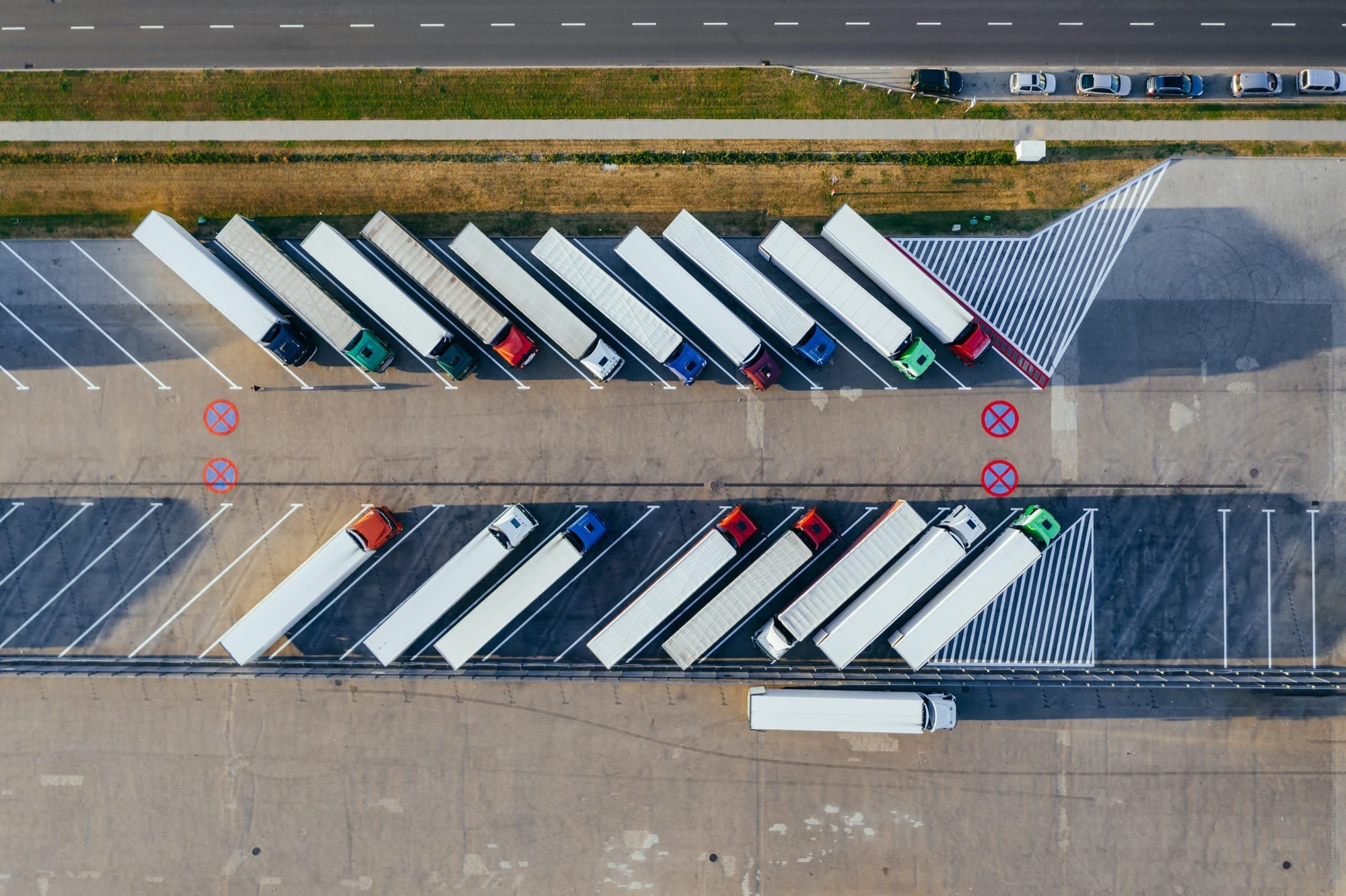

Aerial view of trucks lined up in a logistics depot

How do you decarbonise a hundred thousand vehicles?

Discovery and prototyping for BP: finding where it could genuinely help enterprise fleets go lower-carbon.

At a glance

Client
BP: fleet decarbonisation for business customers
My role
Design Lead: led a team of designers through discovery research & prototyping
The people
Fleet managers at large enterprises
What happened
Set the roadmap & strategic direction for the early-stage product

The brief

BP's path to lower carbon runs through its customers' fleets.

What could BP build to help its business customers decarbonise the vans, trucks and cars they run? An early-stage product needed a direction grounded in what fleets actually need.

Aerial view of thousands of vehicles parked in dense rows
Fleet scale is city scale - and so is the carbon.

The scale

Enterprises like DHL put hundreds of thousands of vehicles on the road.

At that scale, decarbonisation isn't a purchase, it's an operational overhaul. Which is exactly why fleet managers hesitate.

What we learned

The real obstacle wasn't the vehicles - it was the decision.

One insight outweighed the rest. For a fleet manager, going electric means weighing resale value, range, charging and the upheaval to drivers' day, all at once, full of unknown unknowns, with no clear way to weigh them.

The key insightFleet managers had reasons to switch. What they lacked was a way to make the decision well.

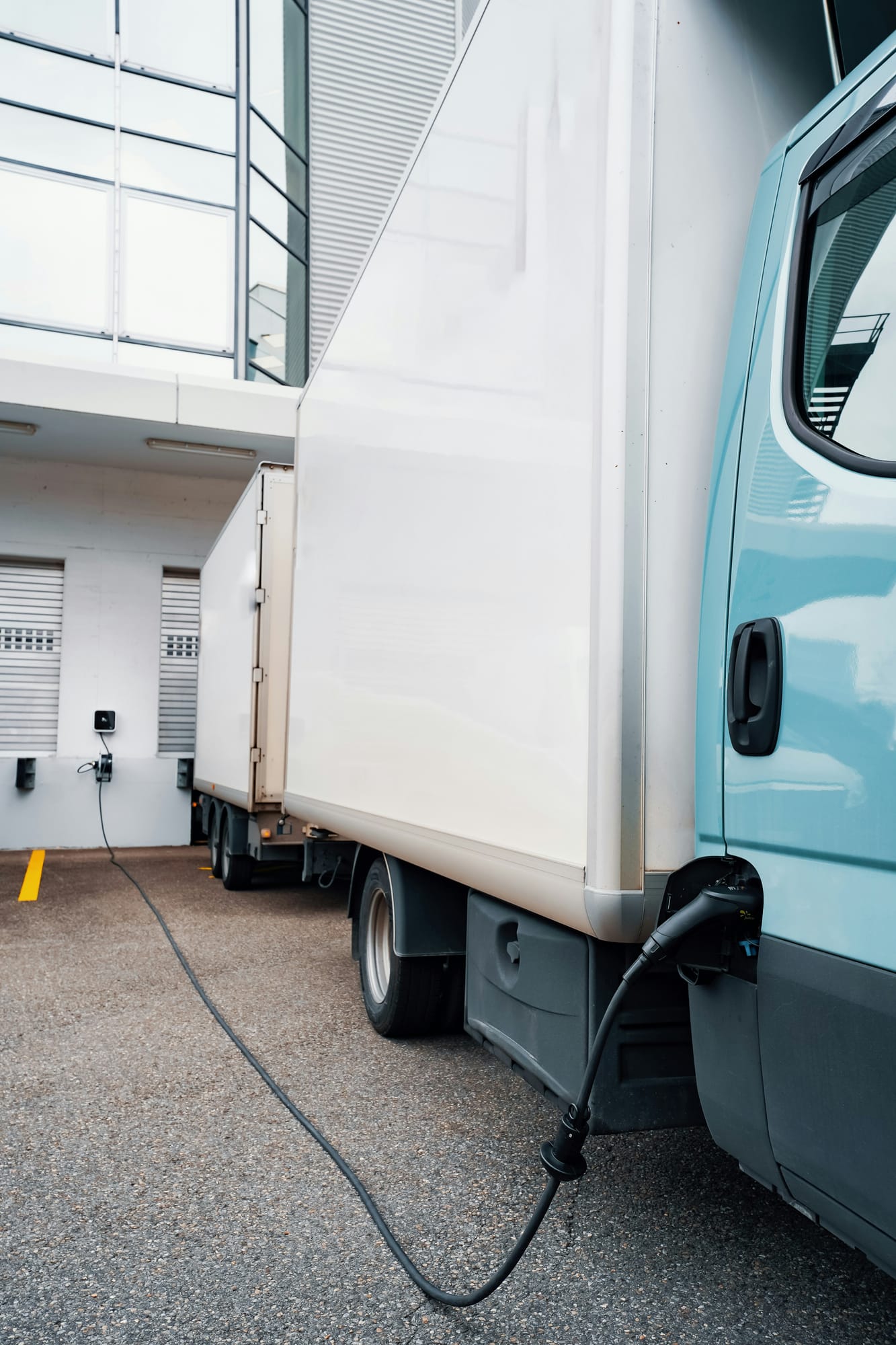
An electric box truck charging at a depot loading bay
A hard decision, made easier to weigh.

What we built

So we prototyped a way to make that decision easier.

The insight pointed to a clear direction: a tool to help a fleet manager weigh the whole transition, resale value, range, charging, driver impact, in one place. We turned it into mockups fast, concrete enough to react to.

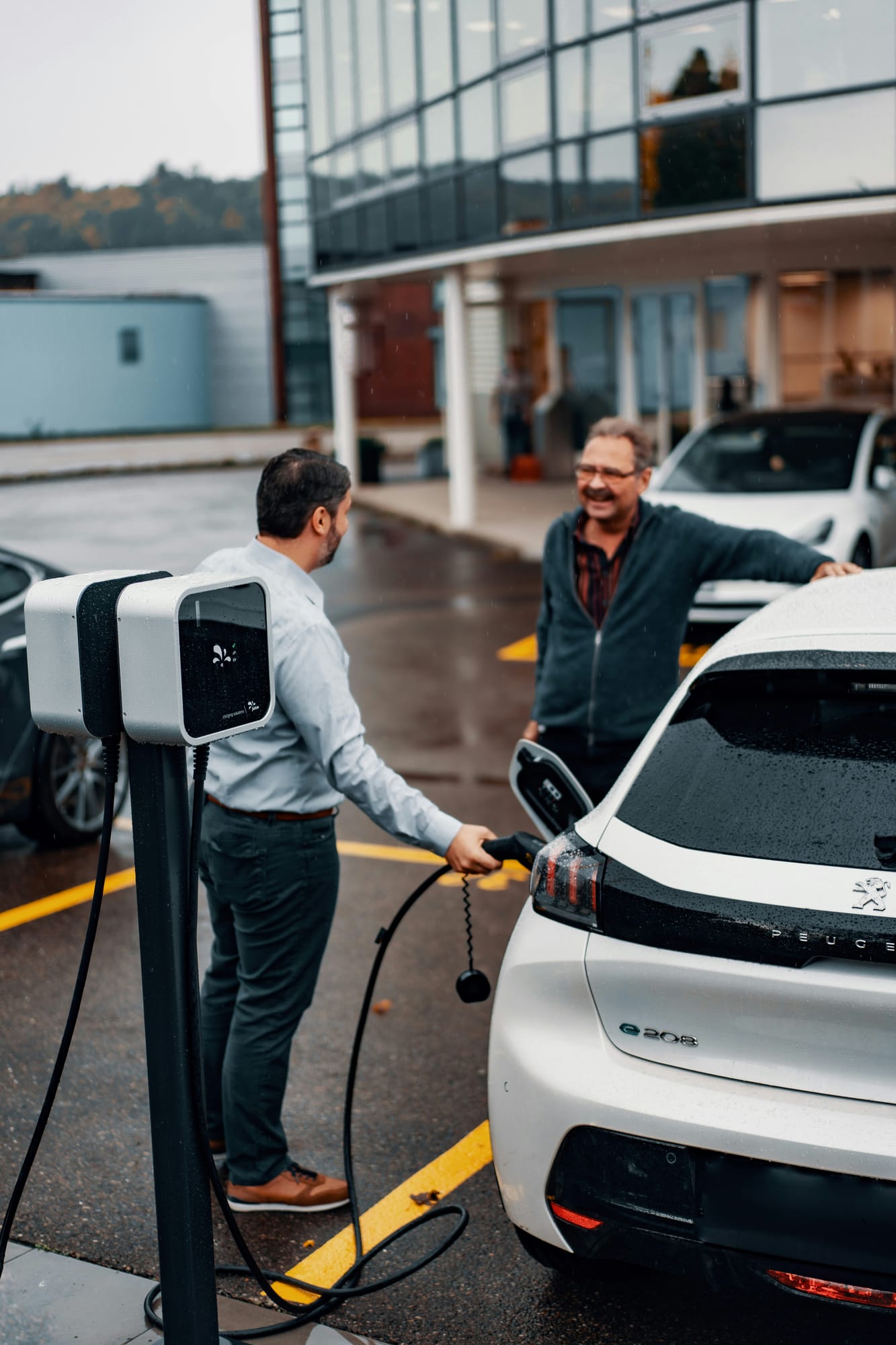
Two people in conversation next to an electric car at a charging station
Feedback from the people who run the fleets, not just the stakeholders.

Testing it

Tested against a fleet manager's daily reality.

We took the mockups back to the fleet managers. Did this actually help them weigh the decision: what worked, what didn't, and what was still missing.

Where it landed

The prototype became the product's first direction.

The tested mockups worked both ways: fleet managers saw their decision get easier, and BP stakeholders saw where the product could fit.

The work set the roadmap and strategic direction for BP's early-stage product, grounded in what fleets actually need.

Looking back

What stays with me

We treat a transition like this as a technical problem: infrastructure, the grid, the energy source. But it always comes back to people: how they'll live with the change, and why they resist it. The human factor is the part that really decides it, and that is exactly where design earns its place.

← Back to all work